
- English
- Español
- Português
- русский
- Français
- 日本語
- Deutsch
- tiếng Việt
- Italiano
- Nederlands
- ภาษาไทย
- Polski
- 한국어
- Svenska
- magyar
- Malay
- বাংলা ভাষার
- Dansk
- Suomi
- हिन्दी
- Pilipino
- Türkçe
- Gaeilge
- العربية
- Indonesia
- Norsk
- تمل
- český
- ελληνικά
- український
- Javanese
- فارسی
- தமிழ்
- తెలుగు
- नेपाली
- Burmese
- български
- ລາວ
- Latine
- Қазақша
- Euskal
- Azərbaycan
- Slovenský jazyk
- Македонски
- Lietuvos
- Eesti Keel
- Română
- Slovenski
- मराठी
- Srpski језик
Кина Изостатски графит Производители, добавувачи, фабрика
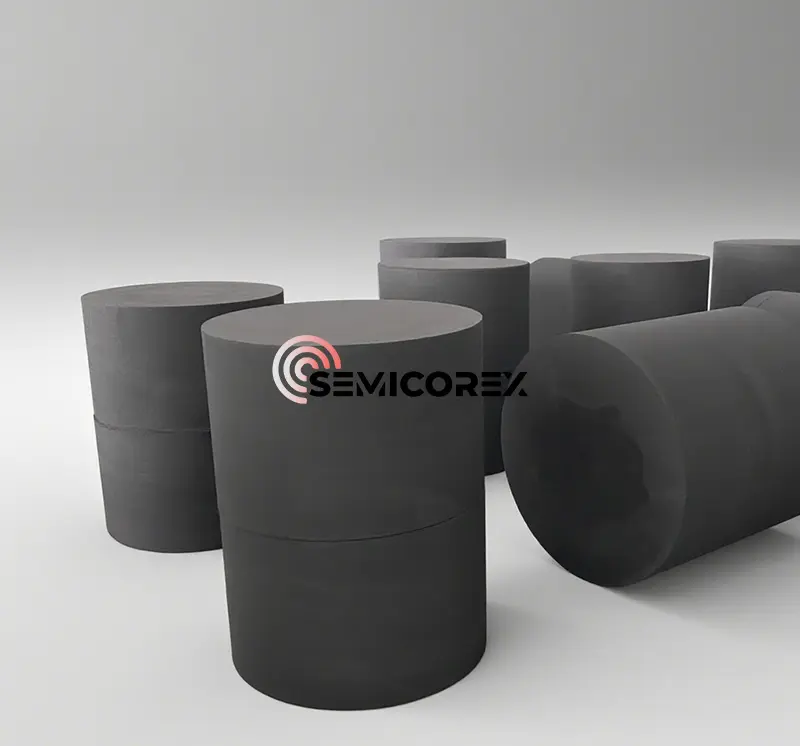
Carbon/graphite material molding essentially involves increasing the density of the powder mixture and ensuring close contact between the aggregate and binder to produce a green body with a desired size, morphology, and minimal machining allowance. The four main molding methods are extrusion, compression molding, vibration molding, and isostatic pressing. Common carbon/graphite materials on the market (for example, charcoal used for household fires) are mostly formed using hot extrusion and compression molding (cold or hot). Isostatic pressing offers superior molding performance.
The principle of isostatic pressing is based on Pascal's law: pressure applied to a medium (liquid or gas) in a sealed container is uniformly distributed in all directions, with the pressure on the surface being proportional to the surface area. Isostatic pressing involves placing a sample, enclosed in a sealed container, within a high-pressure cylinder. Leveraging the incompressible nature of the liquid medium and its ability to uniformly transmit pressure, the sample is uniformly pressed from all directions. When the fluid is injected into the cylinder, the pressure is evenly transmitted in all directions according to the principles of fluid mechanics. The sample in the cylinder is then subjected to uniform pressure in all directions.
Due to the isostatic pressing method, isostatically pressed graphite exhibits excellent isotropy, with properties independent of shape, size, or sampling direction. The material possesses a dense microstructure, high mechanical strength, high surface hardness, and oxidation resistance. Strong performance and high-temperature resistance; the material has excellent thermal shock resistance and is less susceptible to cracking under rapid cooling and heating conditions.
1. Isotropy
Different molding methods result in different properties in different directions. This is primarily reflected in resistivity, thermal conductivity, mechanical properties, and thermal expansion coefficient. The general measurement method is to sample the product perpendicular to and horizontally from the pressure surface, measure the properties separately, and then divide the smallest value by the largest value to obtain the isotropy ratio.
Traditional carbon/graphite products exhibit significant anisotropy, i.e., the properties of the product are different in the directions perpendicular to and horizontal to the pressure surface. The corresponding difference in performance is generally greater than 1:1.1, hence the term anisotropy. In many cases, this difference is fully exploited, and the greater the difference, the better. Examples include graphite electrodes for steelmaking and brushes for motors. Many applications, such as EDM and single-crystal silicon thermal field applications, increasingly require carbon/graphite products to exhibit isotropy (with an orientation ratio within the 1:1.05 range).
2. Large Dimensions
The market is increasingly demanding larger product sizes. For example, single-crystal silicon products have grown from 6- and 8-inch sizes to 12-inch sizes. The size of graphite materials used in thermal fields is also increasing. This is also increasing. Similar trends are seen in other related industries. Graphite for EDM, continuous casting, and nuclear reactors also requires large-scale products. This is difficult to achieve using molding and extrusion methods. The primary problem with large-scale product production is calcination cracking, and the larger the product, the higher the chance of calcination cracking.
3. Fine Structure
As a structural material, it requires high physical and chemical properties. On the one hand, the finer the particle size of the carbon particles that make up the carbon/graphite material, the denser its texture and the higher its mechanical strength.
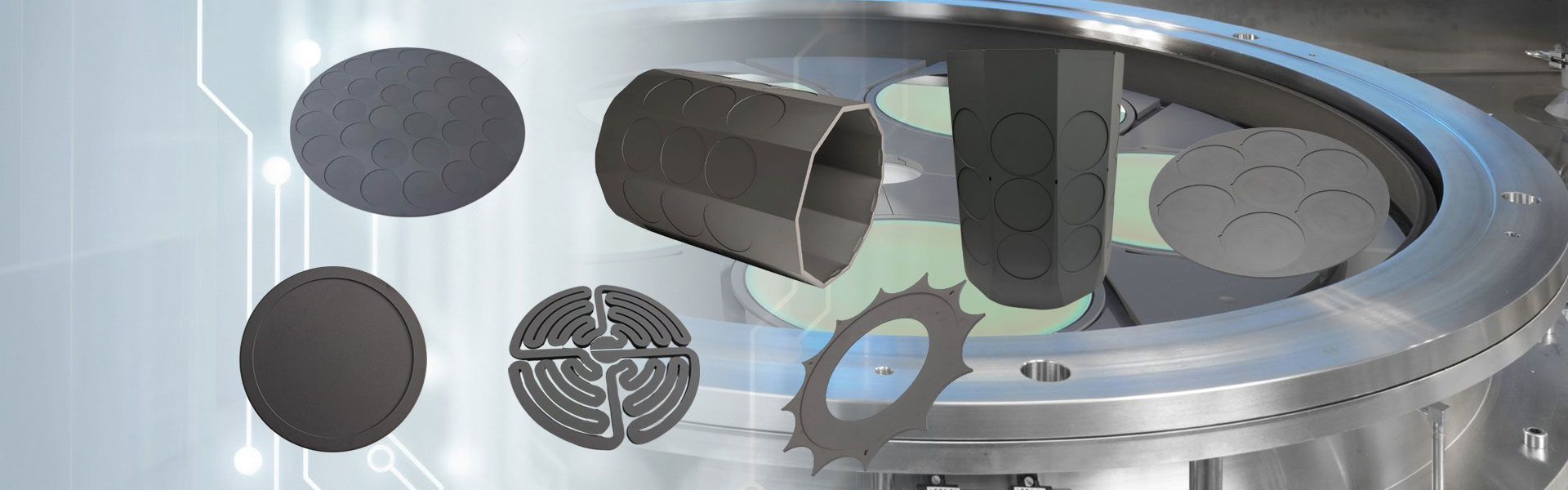
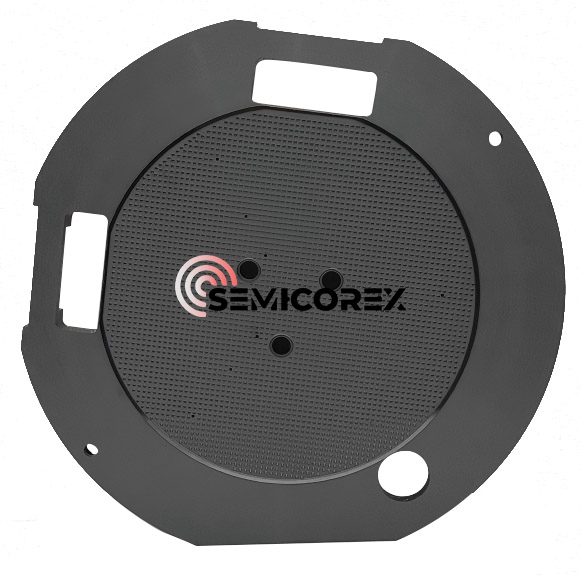
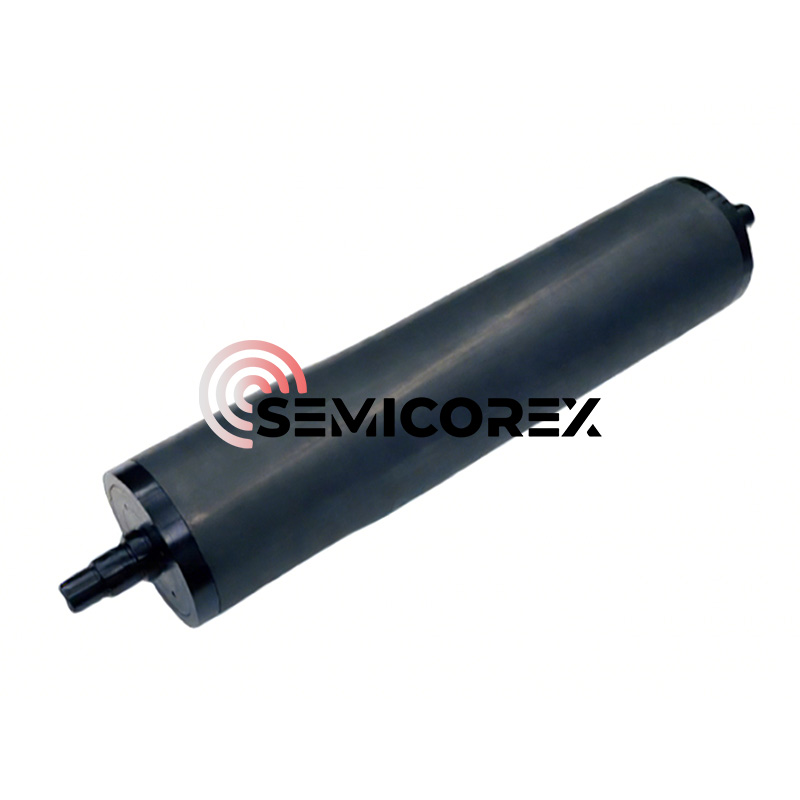
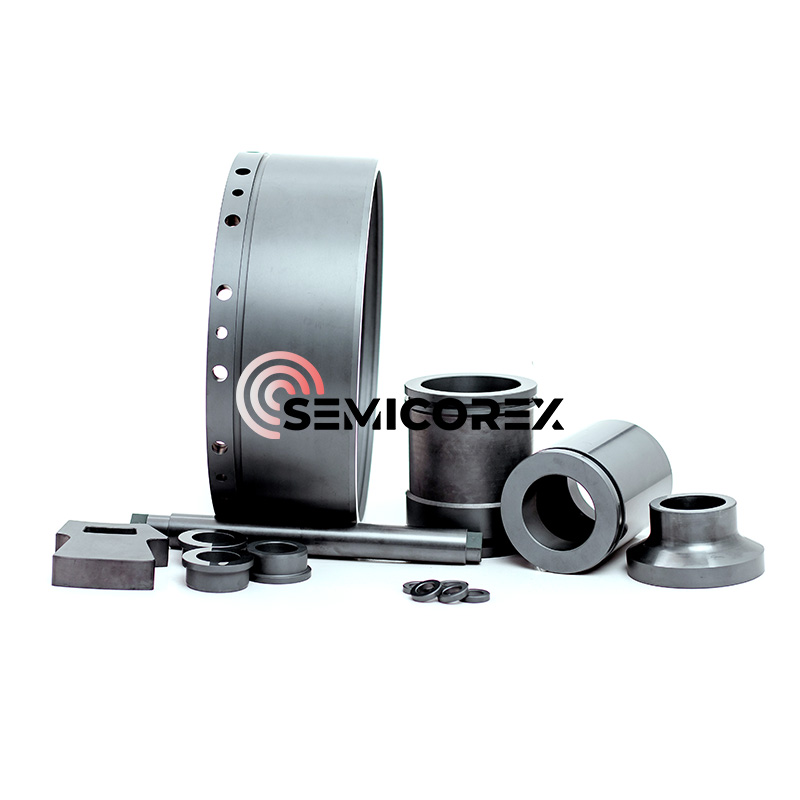
Isostatically pressed graphite is widely used in semiconductor manufacturing processes. It is used in graphite components for the hot zone of single crystal growth furnaces, such as crucibles, heaters, flow guides, and insulation covers; and in graphite components used in epitaxial processes.
- View as
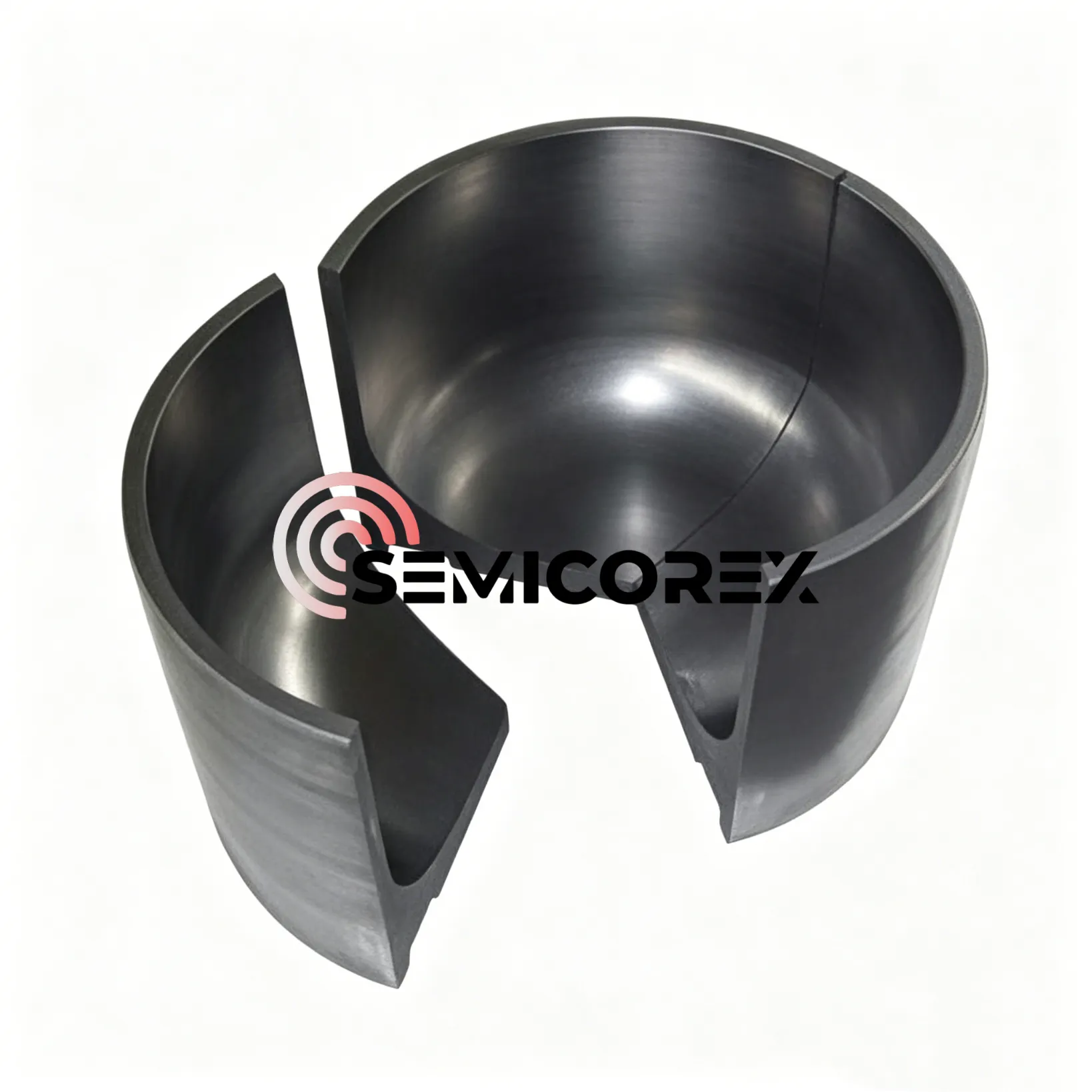
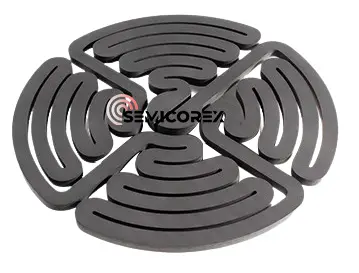
Три-парчени графитни садници
Семикорекс триделните графитни садници се контејнери со сплит графит со високи перформанси, специјално дизајнирани за процеси на раст на силикон со еден кристал. Идеален за висококвалитетен термички третман со полупроводници, триделната графитна садница Semicorex може со сигурност да го поддржи кварцниот сад и неговите внатрешни материјали за да постигне контролиран раст на еднокристалните структури.
Прочитај повеќеИспрати барање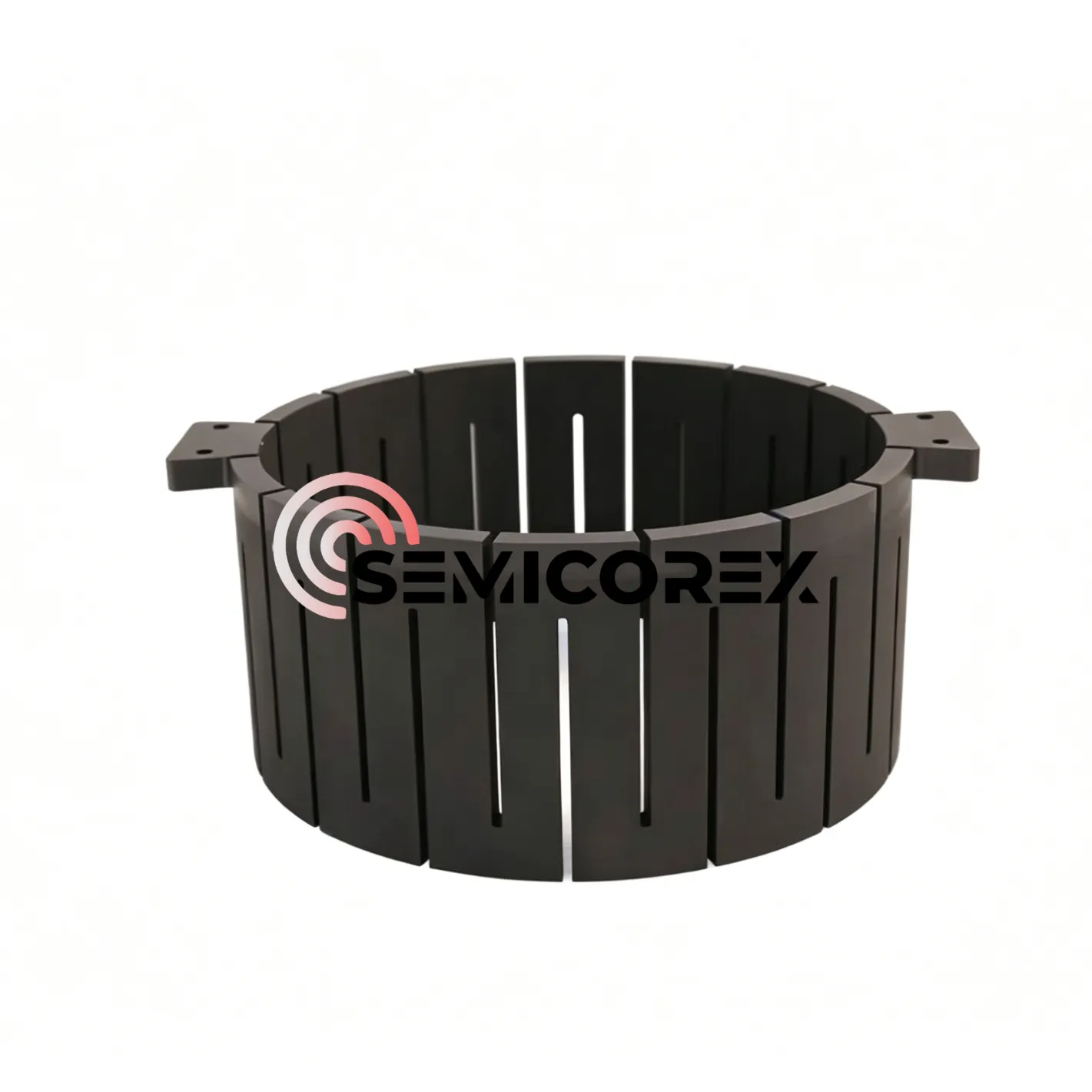
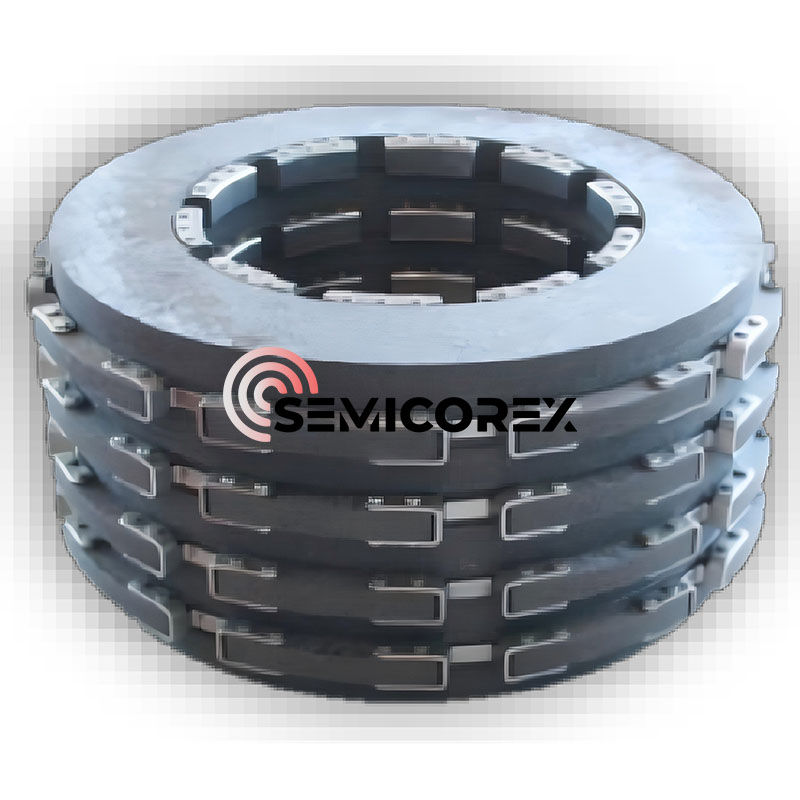
Графитни грејачи од типот на ракав
Графитни грејачи од типот Semicorex со ракави, високоефикасни грејни елементи, широко користени во печки за раст со еден кристал. Графитните грејачи од типот Semicorex се клучните компоненти за греење кои интензивно се користат во монокристалните печки, дизајнирани специјално за висококвалитетен монокристален силикон. Изборот на Semicorex е избор на идеални решенија за третман на греење.
Прочитај повеќеИспрати барање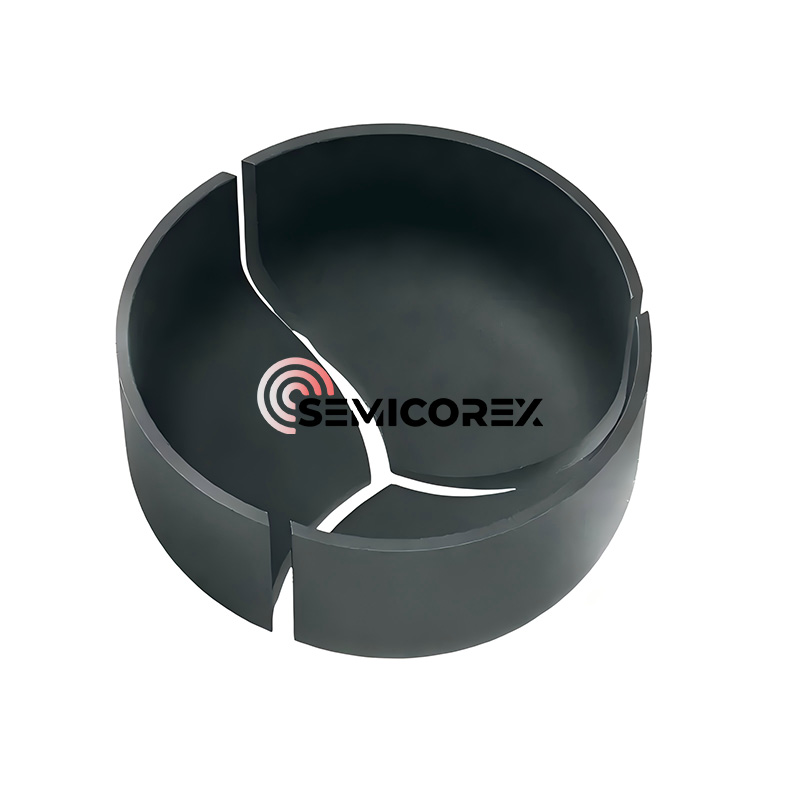
Графитен сад со три ливчиња
Семикорекс графитните садници со три ливчиња со висока чистота имаат иновативна архитектура за ослободување од стрес, дизајнирана да го максимизира приносот на растот на кристалите во екстремни полупроводнички топлински средини. Semicorex испорачува решенија за полупроводнички материјали од светска класа ширум светот, зајакнувајќи ги напредните индустрии со прецизно изработени графитни и керамички компоненти поддржани од сигурна глобална логистика.*
Прочитај повеќеИспрати барање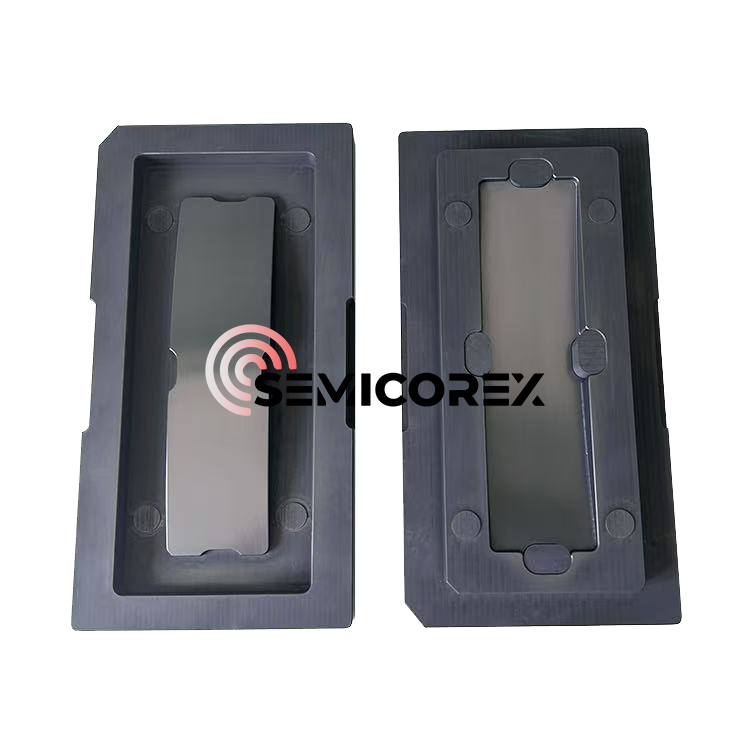
Топло свиткана стаклена графитна мувла
Калапот за графит со топло свиткано стакло Semicorex е прецизно изработен од ситно-грануларен графит со висока чистота за да обезбеди исклучителна отпорност на висока температура, стабилност на термички шок, само-подмачкување и хемиска издржливост, обезбедувајќи висококвалитетно 3D заоблено стакло со минимални дефекти. Semicorex е избран поради неговата длабока експертиза, напреден дизајн на мувла и прецизна контрола на процесот, ефикасно максимизирање на приносот и исполнување на најсложените барања за производство.*
Прочитај повеќеИспрати барање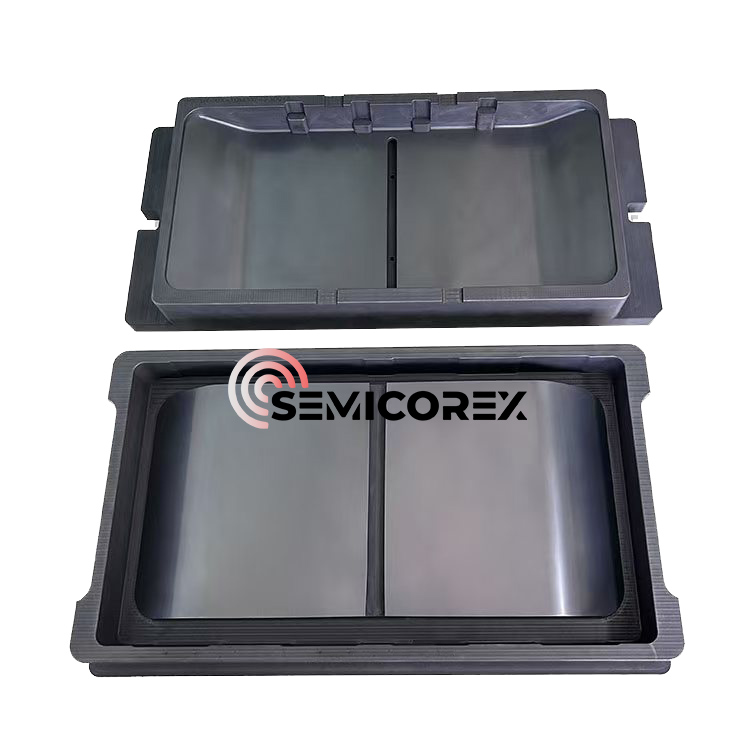
Калап за графит со 3D топло виткање стакло
Семикорекс 3Д калап за графит со топло виткање стакло е изостатичен графит од висока класа дизајниран за топло свиткување 3D заоблено стакло, нудејќи одлична топлинска стабилност, топлинска спроводливост, отпорност на абење и корозија, подобрување на квалитетот на стаклената површина, продолжување на животниот век на мувлата и значително подобрување на ефикасноста и приносот на производството. Semicorex е избран поради неговиот сигурен квалитет, постојано снабдување и експертиза во обезбедувањето напредни решенија за графит ширум светот.*
Прочитај повеќеИспрати барање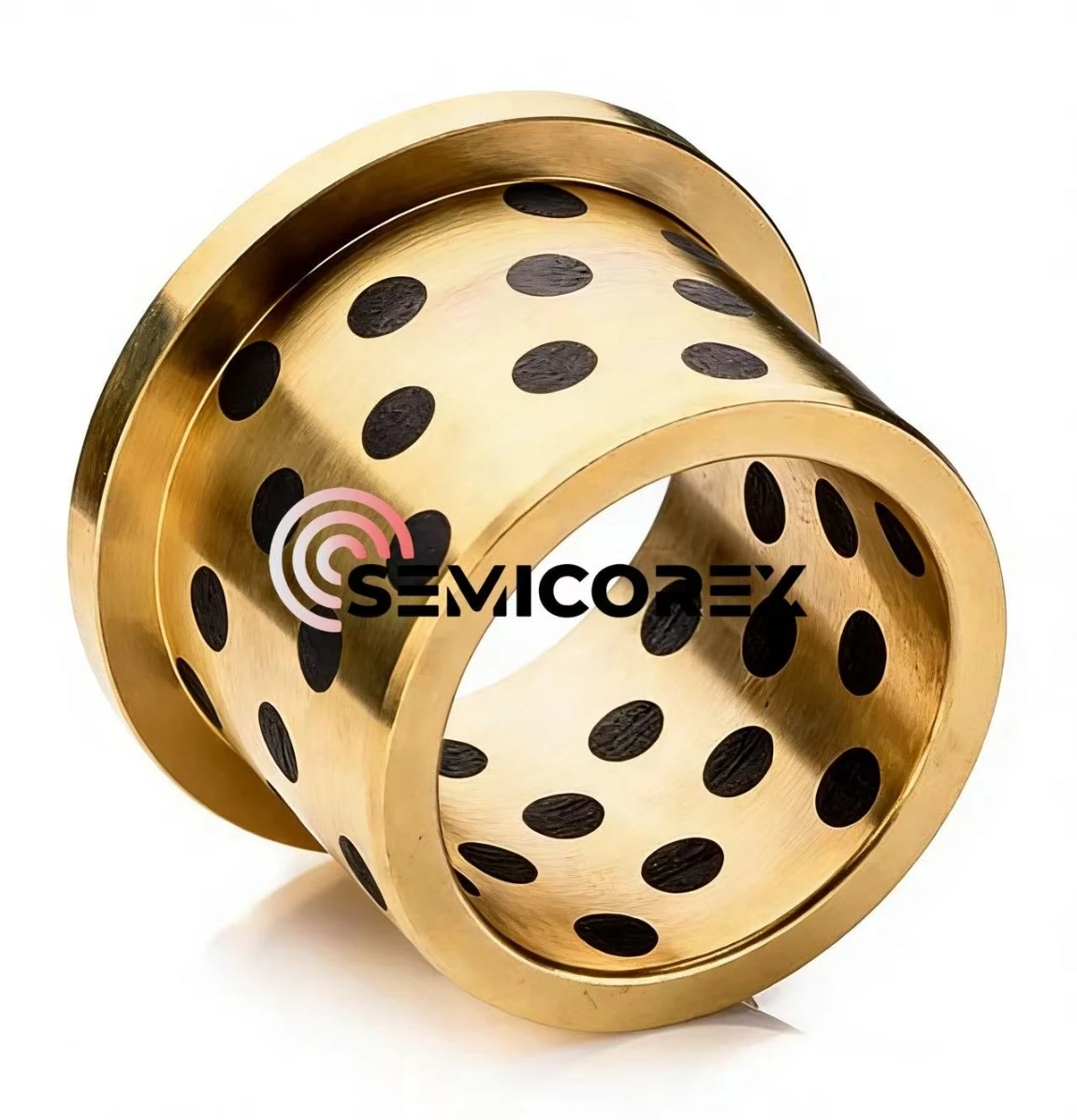
Графитни самоподмачкувачки чаури
Самоподмачкувачки чаури од графит Semicorex, исто така наречени чаури без масло, се компоненти на лизгачки лежишта со високи перформанси дизајнирани специјално да работат без надворешно подмачкување или снабдување со масло. Со одлични перформанси, самоподмачкувачките чаури од графит Semicorex се идеални решенија за опрема која работи во сложени средини, вклучувајќи работа без масло, високи температури, високи оптоварувања, мали брзини, анти-фаулирање, отпорност на корозија и отпорност на радијација.
Прочитај повеќеИспрати барање
Semicorex произведува Изостатски графит многу години и е еден од професионалните Изостатски графит производители и добавувачи во Кина. Откако ќе ги купите нашите напредни и издржливи производи кои обезбедуваат пакување на големо, ние гарантираме голема количина во брза испорака. Со текот на годините, на клиентите им обезбедивме приспособена услуга. Клиентите се задоволни од нашите производи и одличната услуга. Искрено очекуваме да станеме ваш сигурен долгорочен деловен партнер! Добредојдовте да купите производи од нашата фабрика.